Welcome to Biomedon Magazine!

We are honored to present you with this content and hope this will inspire you for your essential research in the Biomedical area.

We understand the importance of staying ahead of the curve in the biomedical field. That’s why our company is dedicated to developing and refining innovative technologies that can make a difference in your research. Our solutions are designed to change how you think about research, providing the tools you need to make game-changing discoveries and improve your competitiveness.

Here at Biomedon, we specialize in custom engineering research instrument development that caters to your unique requirements. Our teams of highly skilled engineers, scientists, and experts are dedicated to using cutting-edge technologies to develop innovative laboratory and research equipment.

Achieving breakthroughs is not a simple task. However, with our top-of-the-line solutions, you will have the most efficient and effective tools to make groundbreaking discoveries and stay competitive.

By partnering with us, you can be confident that you will gain access can access the best research instruments and tools to facilitate game-changing discoveries in your field.

Thank you for choosing Biomedon Magazine as your go-to research insight and inspiration.
Unlocking the Potential of Interstitial Fluid

Pick up

Biomonitoring Research

The study of interstitial fluid has opened up a realm of possibilities in the field of biomonitoring research. While sweat has been a known source of biomonitoring for quite some time, it has limitations as to what chemicals and markers can pass through the sweat glands. This prompted researchers from UC and Stanford University, led by Professor Jason Heikenfeld, to explore the potential of interstitial fluid as an alternative source for biomonitoring.

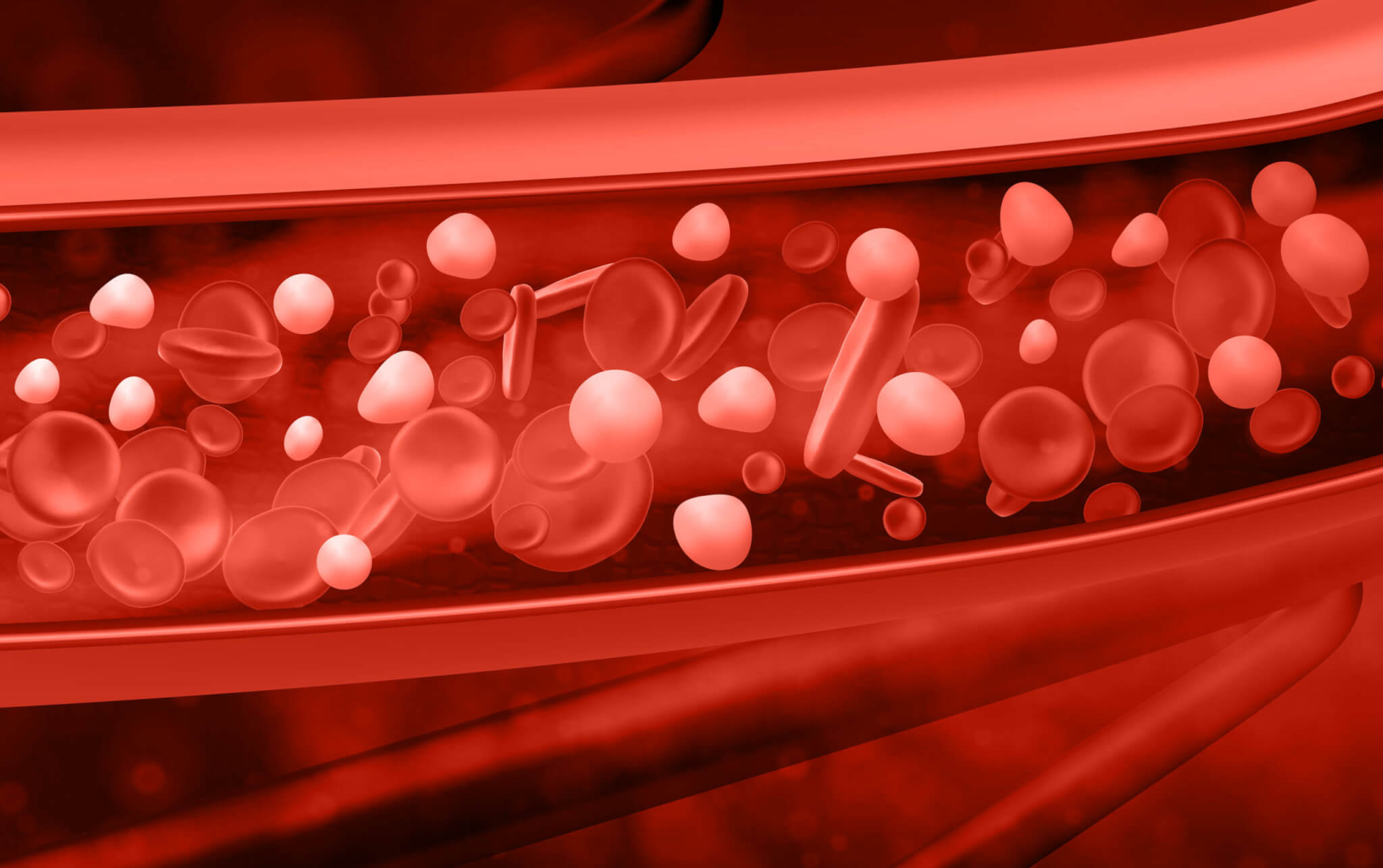
The interstitial fluid is a bodily fluid that makes up about 15% of a person’s body weight. It contains many of the same markers as blood, making it a valuable diagnostic sample for medical professionals. The best part about interstitial fluid is that it is much less painful to extract than blood, making it more accessible and less intimidating for patients.

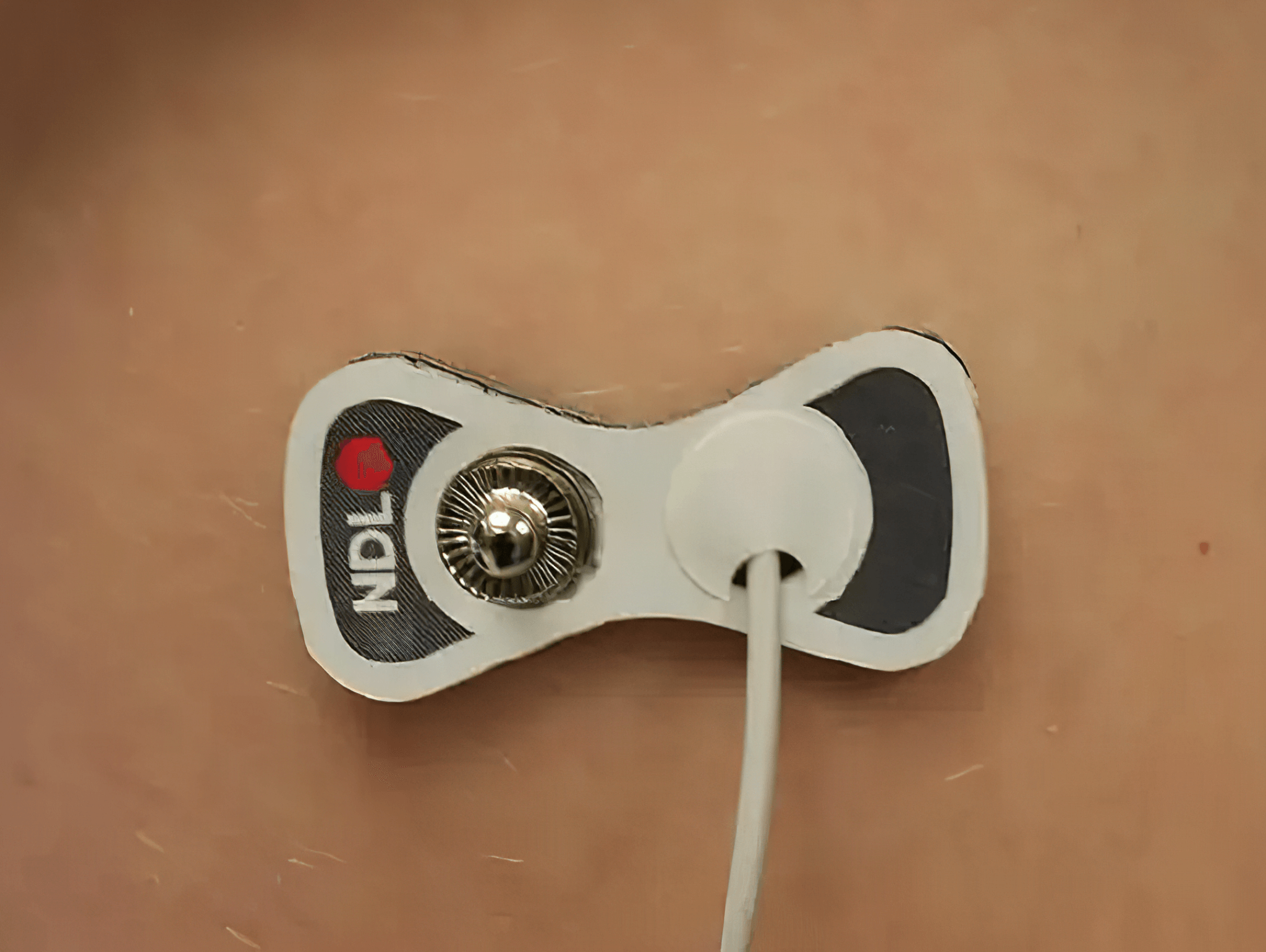
The biggest challenge lies in unlocking the full potential of interstitial fluid for exploitation. This is where Heikenfeld’s Novel Device Lab comes into play. The lab has been exploring different ways to measure hormones and other chemicals in an interstitial fluid using microneedles less than 1 millimeter in length. These microneedles pierce through tiny patches on the skin, making the process relatively painless. However, it is essential to note that the body may still react slightly to the method, which could affect the results’ accuracy.

The use of interstitial fluid is not only a game-changer in the field of biomonitoring but also has the potential to revolutionize wearable technology. With increased accuracy in monitoring health biomarkers, wearable technology could provide continuous health monitoring. This could be especially useful for tracking the efficacy of drugs or detecting early signs of illnesses by monitoring the immune system.

The study of interstitial fluid has paved the way for new advancements in the field of biomonitoring research. While there are still challenges to overcome, the potential benefits of using interstitial fluid for medical diagnostics and wearable technology make it a promising avenue for further exploration. With continued research and development, interstitial fluid could lead to a more accurate, accessible, and cost-effective way of monitoring overall health and well-being.