Welcome to Biomedon Magazine!

We are honored to present you with this content and hope this will inspire you for your essential research in the Biomedical area.

We understand the importance of staying ahead of the curve in the biomedical field. That’s why our company is dedicated to developing and refining innovative technologies that can make a difference in your research. Our solutions are designed to change how you think about research, providing the tools you need to make game-changing discoveries and improve your competitiveness.

Here at Biomedon, we specialize in custom engineering research instrument development that caters to your unique requirements. Our teams of highly skilled engineers, scientists, and experts are dedicated to using cutting-edge technologies to develop innovative laboratory and research equipment.

Achieving breakthroughs is not a simple task. However, with our top-of-the-line solutions, you will have the most efficient and effective tools to make groundbreaking discoveries and stay competitive.

By partnering with us, you can be confident that you will gain access can access the best research instruments and tools to facilitate game-changing discoveries in your field.

Thank you for choosing Biomedon Magazine as your go-to research insight and inspiration.
The Future of Diagnosis and Treatment for Gastrointestinal Disorders

Pick up

Introducing an Ingestible Sensor

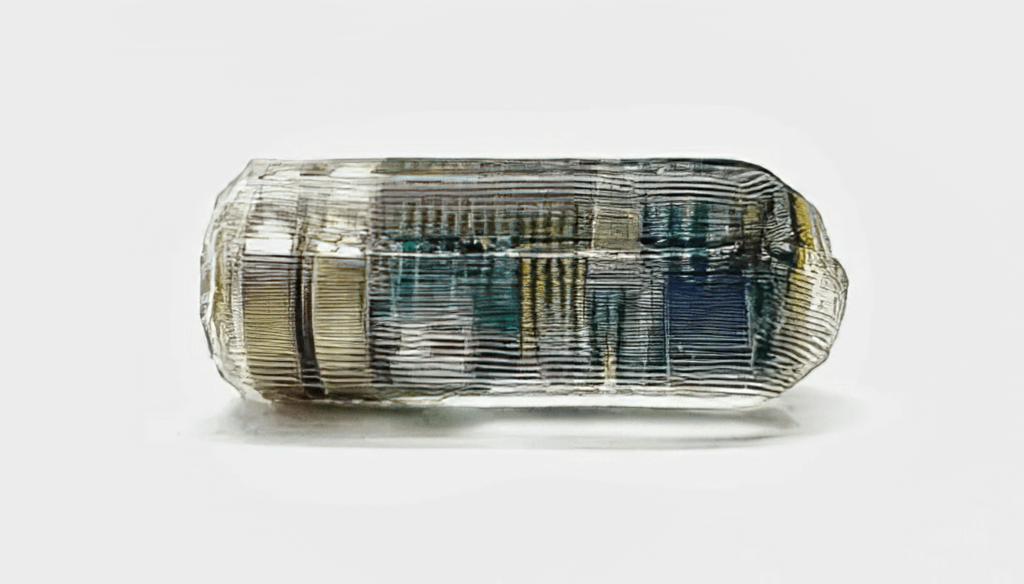
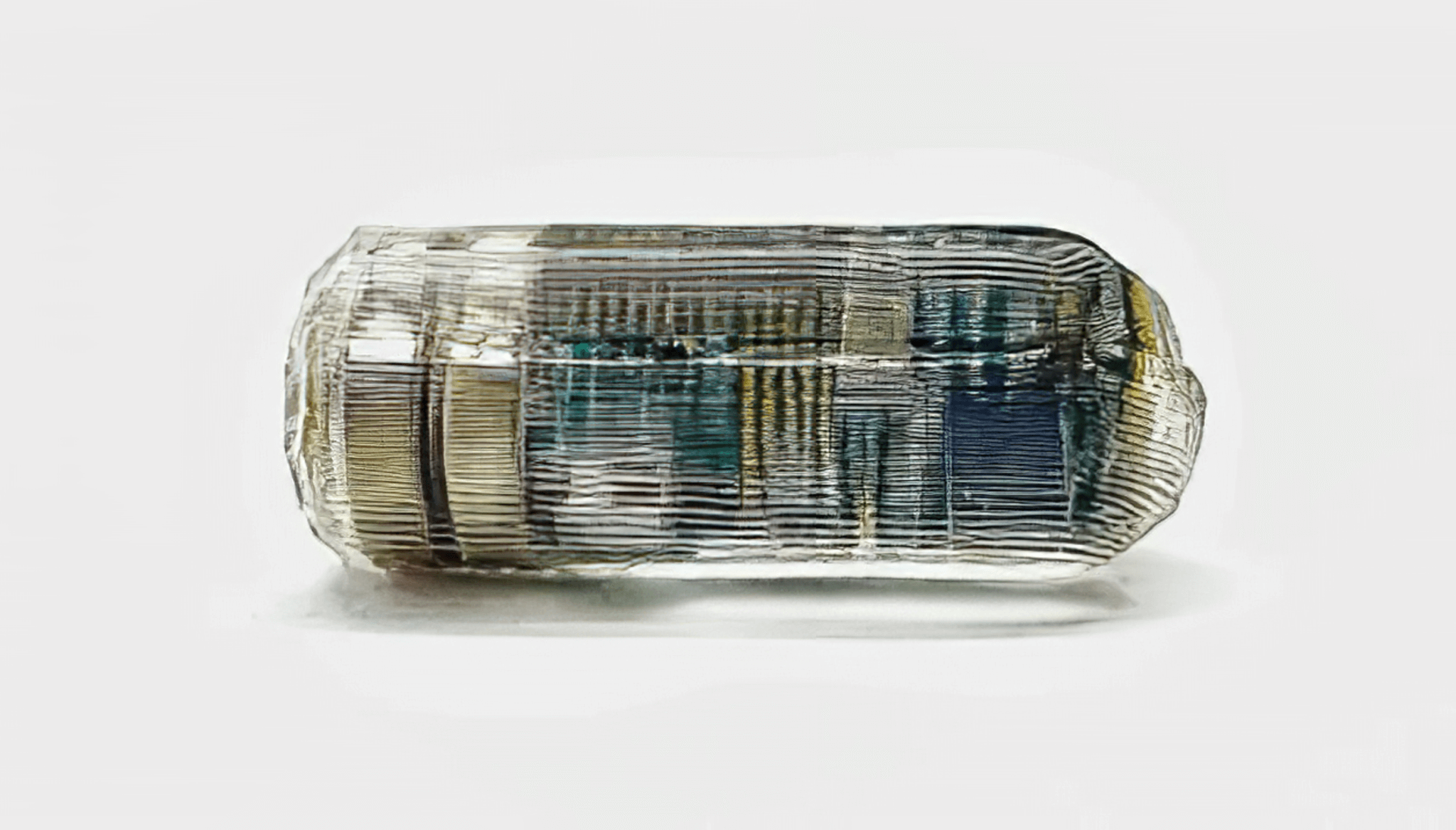
Researchers at MIT have developed a new ingestible sensor that can track the exact location of a pill in the gastrointestinal (GI) tract, potentially transforming how gastrointestinal disorders are diagnosed and treated. The new sensor is equipped with a magnet that can be detected from outside the body and a wireless transmitter that can send data to a nearby computer or smartphone. By tracking the sensor’s magnetic field, the researchers can calculate where it is located in the GI tract.

The current sensor version can detect a magnetic field from electromagnetic coils within a distance of 60 centimeters or less, allowing it to take measurements whenever it is in range. This tracking system helps doctors to identify problems more efficiently and develop better treatment plans. It also means that patients will no longer undergo X-rays or other invasive procedures to determine the sensor’s location.

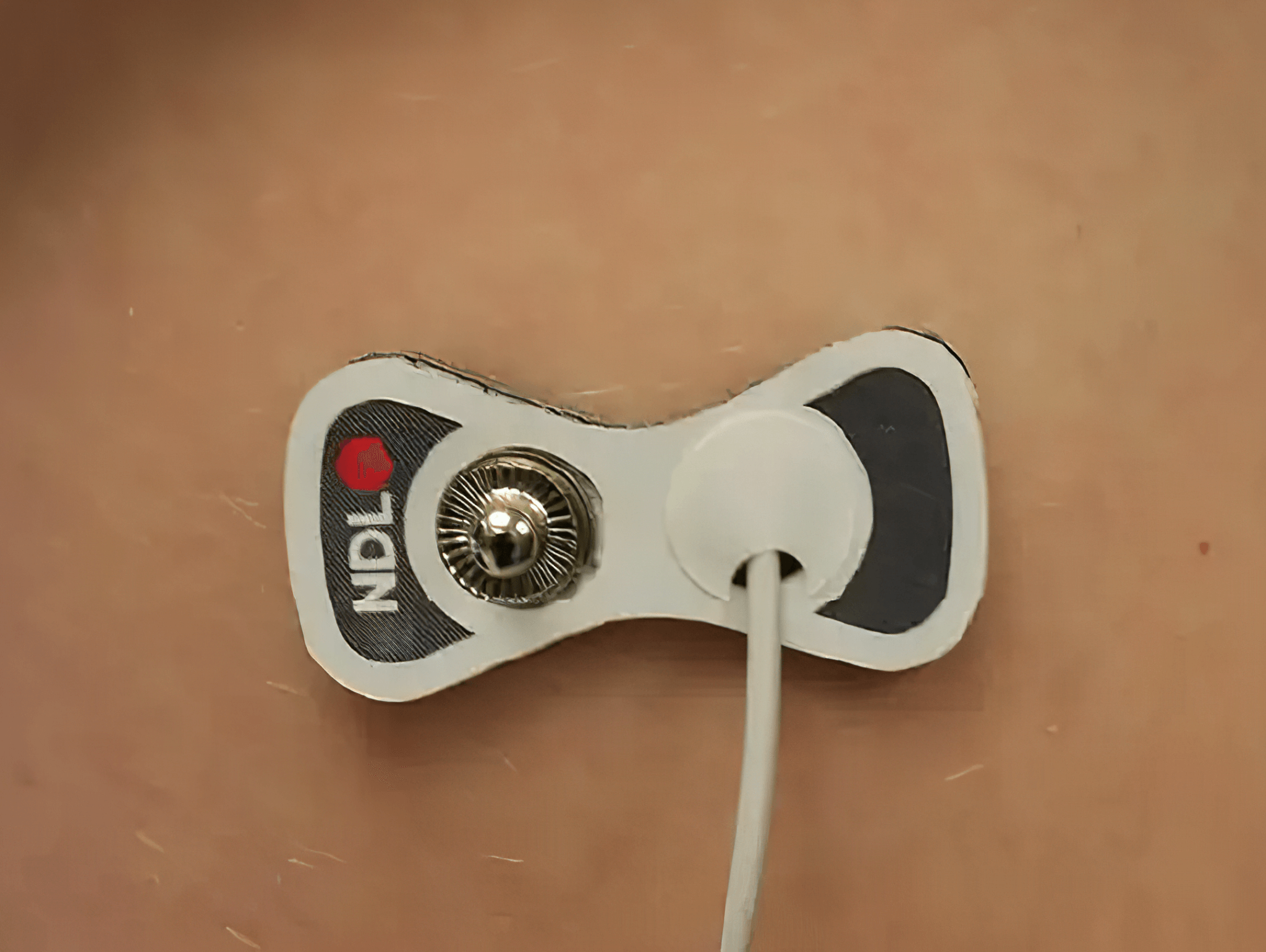
The researchers tested the system using an external reference sensor attached to the skin of a large animal. They found that they could accurately track the movement of the ingestible sensor as it moved from the stomach to the colon and then was excreted. The researchers hope to use the system to develop manufacturing processes and further characterize its performance in animals before testing it in human clinical trials.

This kind of monitoring could make it much easier for doctors to identify the cause of slowed digestion without radiation or invasive procedures. The researchers envision that this new technology could revolutionize how gastrointestinal disorders are diagnosed and treated.