Welcome to Biomedon Magazine!

We are honored to present you with this content and hope this will inspire you for your essential research in the Biomedical area.

We understand the importance of staying ahead of the curve in the biomedical field. That’s why our company is dedicated to developing and refining innovative technologies that can make a difference in your research. Our solutions are designed to change how you think about research, providing the tools you need to make game-changing discoveries and improve your competitiveness.

Here at Biomedon, we specialize in custom engineering research instrument development that caters to your unique requirements. Our teams of highly skilled engineers, scientists, and experts are dedicated to using cutting-edge technologies to develop innovative laboratory and research equipment.

Achieving breakthroughs is not a simple task. However, with our top-of-the-line solutions, you will have the most efficient and effective tools to make groundbreaking discoveries and stay competitive.

By partnering with us, you can be confident that you will gain access can access the best research instruments and tools to facilitate game-changing discoveries in your field.

Thank you for choosing Biomedon Magazine as your go-to research insight and inspiration.
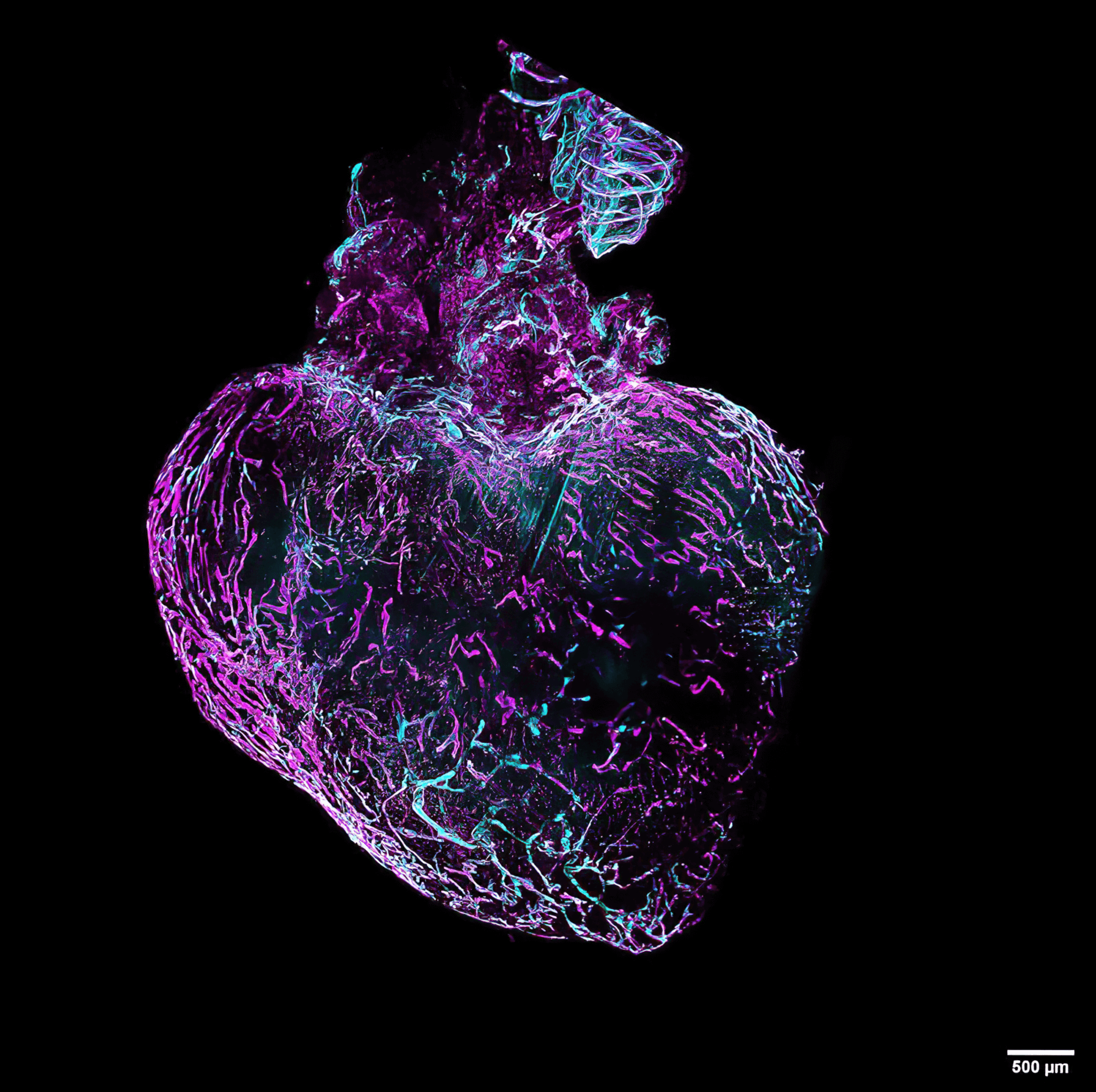
Investigating Cardiac Lymphatic Network Remodeling

Inspiring light

Using Light-Sheet Microscopy

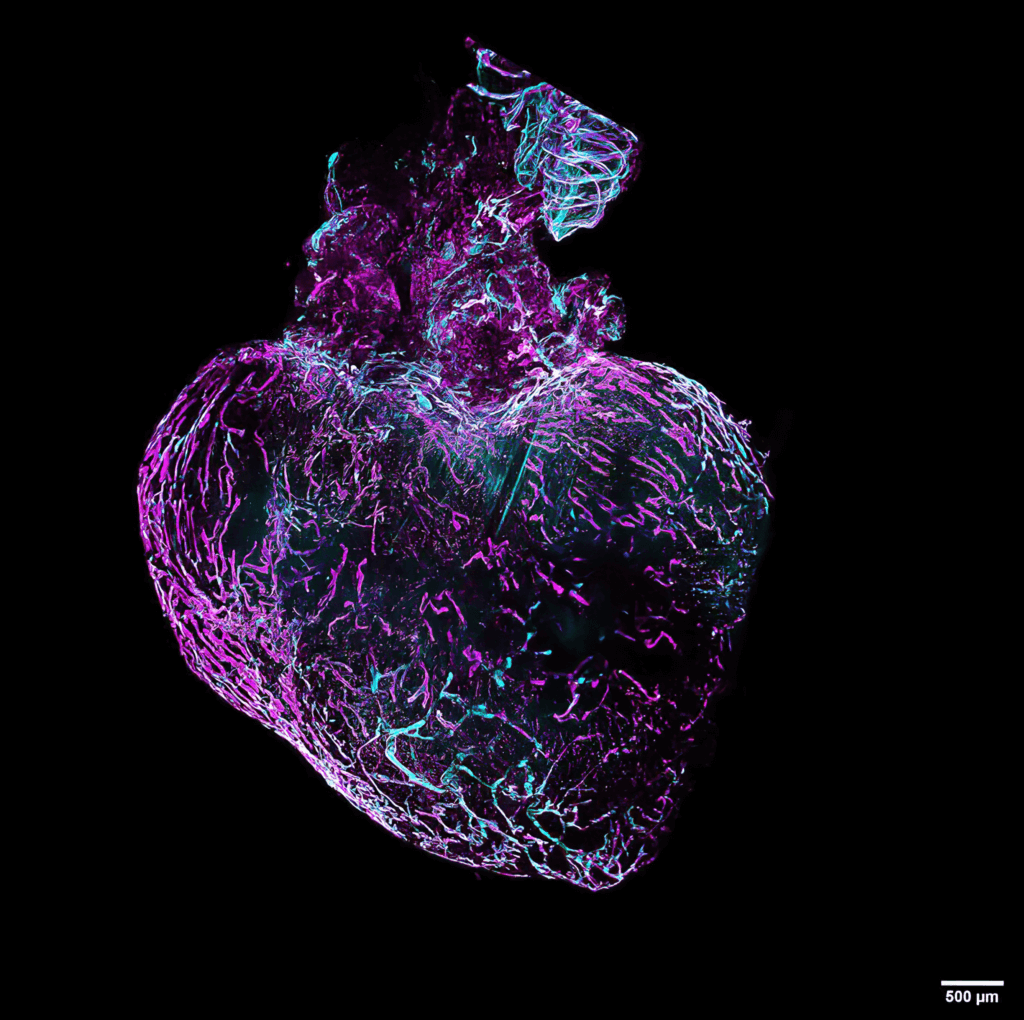
Cardiac lymphatic network remodeling plays a crucial role in developing heart diseases. Researchers have conducted a 3D evaluation of the lymphatic network in a mouse heart to understand this process better. To visualize this network, they utilized whole-mount immunostained and clarified tissue samples in combination with light-sheet microscopy.

The researchers used two lymphatic markers, Lyve-1 and podoplanin, to better identify and differentiate the lymphatic vessels in the heart. Lyve-1 is a hyaluronan receptor commonly used to label lymphatic endothelial cells, while podoplanin is a glycoprotein expressed explicitly in lymphatic vessel endothelium.

By analyzing the lymphatic network with these markers, the researchers could examine the changes in the network’s structure that occur during cardiac lymphatic network remodeling. This information can be used better to understand the pathophysiology of heart diseases in humans and develop new therapeutic targets.

The impressive detail captured in this evaluation highlights the importance of emerging imaging techniques and their ability to provide high-quality, multidimensional data in biomedical research. This research was carried out by a member of the Society for Experimental Biology and Medicine, dedicated to advancing research in the biological and biomedical sciences.