Welcome to Biomedon Magazine!

We are honored to present you with this content and hope this will inspire you for your essential research in the Biomedical area.

We understand the importance of staying ahead of the curve in the biomedical field. That’s why our company is dedicated to developing and refining innovative technologies that can make a difference in your research. Our solutions are designed to change how you think about research, providing the tools you need to make game-changing discoveries and improve your competitiveness.

Here at Biomedon, we specialize in custom engineering research instrument development that caters to your unique requirements. Our teams of highly skilled engineers, scientists, and experts are dedicated to using cutting-edge technologies to develop innovative laboratory and research equipment.

Achieving breakthroughs is not a simple task. However, with our top-of-the-line solutions, you will have the most efficient and effective tools to make groundbreaking discoveries and stay competitive.

By partnering with us, you can be confident that you will gain access can access the best research instruments and tools to facilitate game-changing discoveries in your field.

Thank you for choosing Biomedon Magazine as your go-to research insight and inspiration.
Exploring the Potential of 3D Woven Biomaterials for Cartilage Regeneration

Inspiring light

Cartilage Regeneration

Tissue engineering has emerged as a practical strategy for accelerating the repair and growth of damaged cartilage. This approach relies on stimulating the body’s natural regenerative processes through the artificial production of functional replacement tissue.

Cartilage is a specialized connective tissue with a limited capacity for self-repair due to its lack of blood vessels and other structural features. The slow healing process of cartilage can hinder proper joint function, leading to chronic pain and reduced mobility.

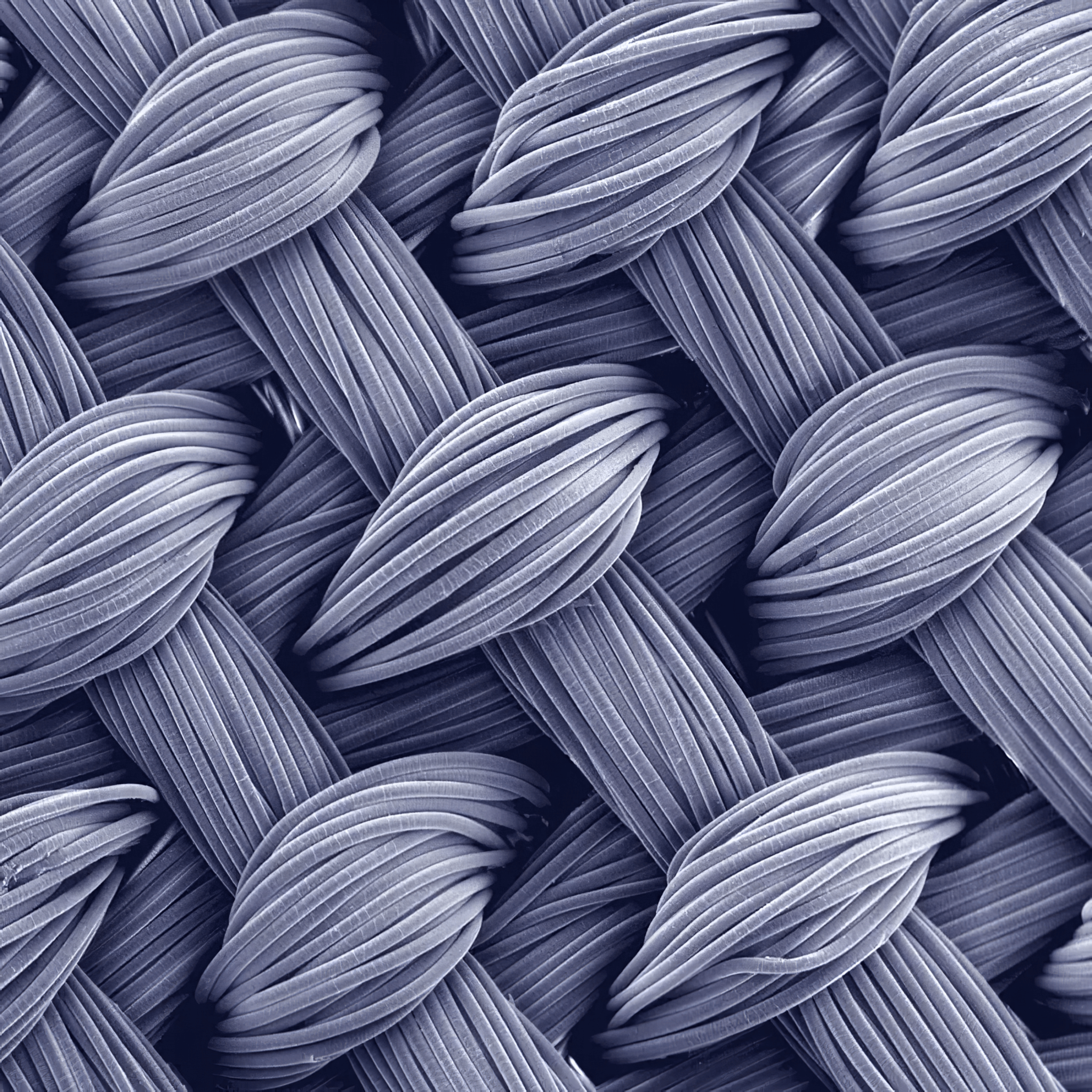
One cutting-edge example of this technology is the development of 3D-woven biomaterial scaffolds. These scaffolds consist of multiple layers of resorbable fiber bundles that have been intricately woven into a porous structure, resembling cartilage’s natural shape and composition.

To initiate the growth of new tissue, the scaffold is seeded with specific cell types, such as chondrocytes or mesenchymal stem cells, which can differentiate into cartilage-like tissue. As the scaffold fibers are gradually resorbed, these cells regenerate and remodel the tissue, ultimately producing fully functional cartilage.

This approach has shown encouraging results in preclinical studies and could offer a more effective and long-lasting solution for treating cartilage injuries and degenerative conditions. However, further research is still needed to optimize the design of these scaffolds and improve their clinical success.