Welcome to Biomedon Magazine!

We are honored to present you with this content and hope this will inspire you for your essential research in the Biomedical area.

We understand the importance of staying ahead of the curve in the biomedical field. That’s why our company is dedicated to developing and refining innovative technologies that can make a difference in your research. Our solutions are designed to change how you think about research, providing the tools you need to make game-changing discoveries and improve your competitiveness.

Here at Biomedon, we specialize in custom engineering research instrument development that caters to your unique requirements. Our teams of highly skilled engineers, scientists, and experts are dedicated to using cutting-edge technologies to develop innovative laboratory and research equipment.

Achieving breakthroughs is not a simple task. However, with our top-of-the-line solutions, you will have the most efficient and effective tools to make groundbreaking discoveries and stay competitive.

By partnering with us, you can be confident that you will gain access can access the best research instruments and tools to facilitate game-changing discoveries in your field.

Thank you for choosing Biomedon Magazine as your go-to research insight and inspiration.
Ultrasensitive Optical Sensors

Article

Advancements in Healthcare and Wellness

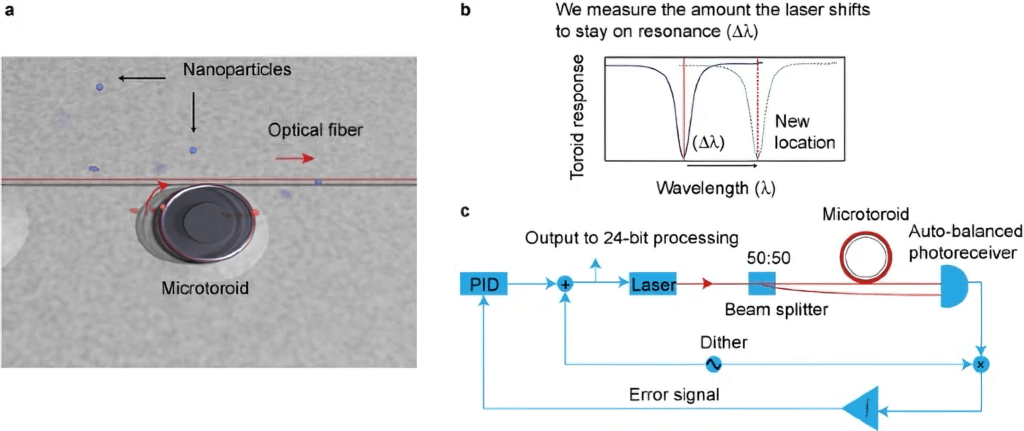
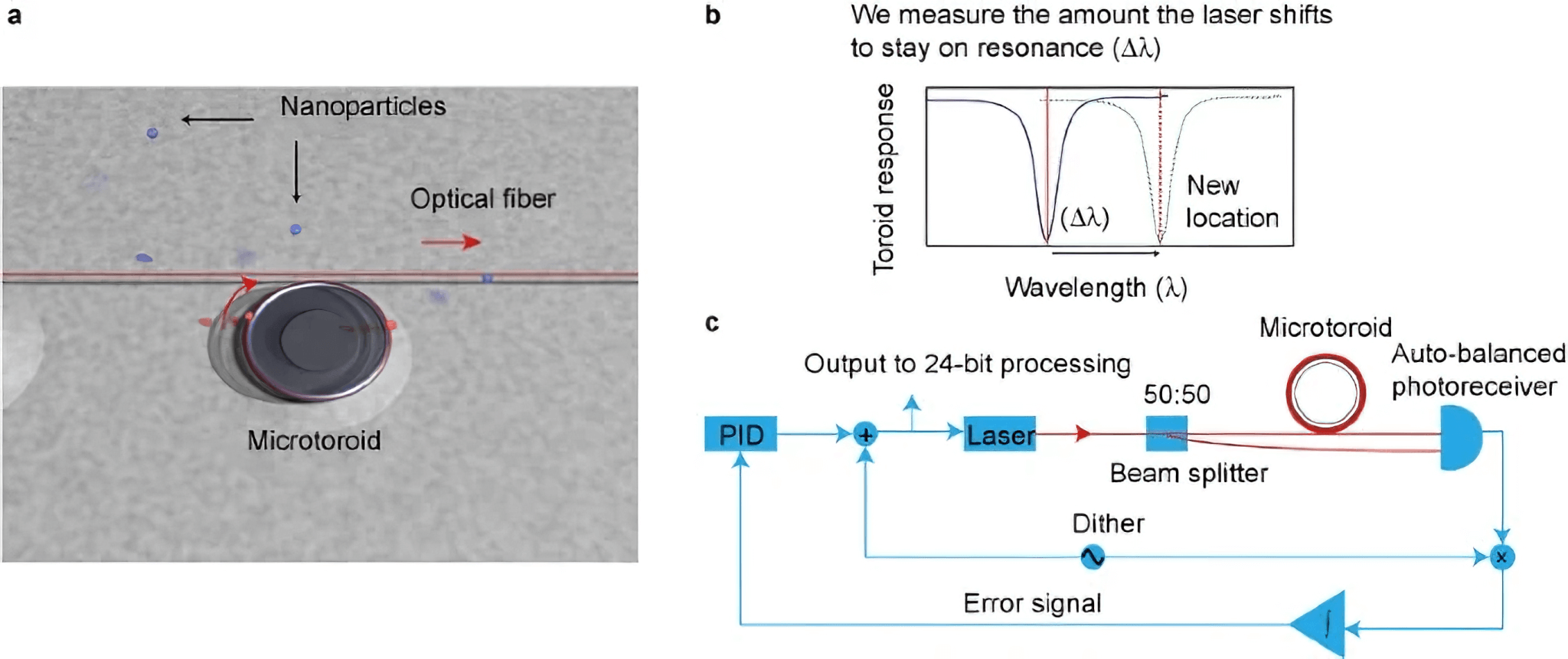
Advancements in technology have not only enhanced our everyday lives but also have resulted in remarkable improvements in the healthcare industry. Of late, the development of ultrasensitive optical sensors has caught the attention of healthcare providers, environmentalists, and scientists alike. In particular, the Little Sensor Lab at the University of Arizona has been conducting groundbreaking work in this field, which has led to successful funding by the National Institutes of Health (NIH). This blog post will discuss the development of ultrasensitive optical sensors, their potential impact on healthcare, and the Little Sensor Lab’s fantastic work.

The ultrasensitive optical sensors developed by the Little Sensor Lab have the potential to revolutionize medical diagnostics, environmental monitoring, and various basic science research activities. These sensors can detect substances with low concentrations, allowing for real-time monitoring of environmental and health conditions. Moreover, these sensors measure the index of refraction, allowing for the detection of substances in various mediums such as air or liquid. One of the critical features of these sensors is their quick results provided in less than 30 seconds, an aspect that proves crucial in emergencies.

Advantages:

The ultrasensitive optical sensors developed by Little Sensor Lab hold several advantages over other optical sensors. For one, these sensors do not require fluorescent tags, leading to reduced sample processing and quicker results. The improvement brought by these sensors is particularly significant in early disease detection, a stage when preliminary detection is crucial before symptoms appear. By indicating signs of disease before symptoms become visible, these sensors help healthcare providers intervene earlier and could potentially reduce healthcare costs.

Little Sensor Lab’s Grant:

The Little Sensor Lab has recently received a $1.8 million grant from NIH to improve its sensor technology, to create a portable point-of-care device for at-home use. Such a device would enable individuals to monitor their health and wellness in real time, making it easier for people to identify health issues promptly while reducing the need for in-person medical care. This type of device would particularly benefit those who live in remote areas or communities with limited healthcare access.

Potential Impact:

The potential impact of ultrasensitive optical sensors on healthcare is enormous. Applications range from environmental monitoring and chemical detection to biomedical imaging and disease detection. Notably, these sensors have the potential to enable more precise, non-invasive diagnosis and monitoring of various conditions. Continuous monitoring through point-of-care devices such as the sensors developed by Little Sensor Lab minimizes the adverse effects of delays in medical care. It can improve patient outcomes and decrease healthcare costs.

The work done by the Little Sensor Lab at the University of Arizona in developing ultrasensitive optical sensors is positively impacting the fields of environmental monitoring, basic science research, and medical diagnostics. By receiving the $1.8 million NIH grant, the Little Sensor Lab’s innovative sensors can continue to advance and improve personal health and wellness. The potential impact of these sensors on healthcare is enormous, leading to quicker and more accurate diagnoses and treatments, reducing healthcare costs, and improving patient outcomes. As such, continued support and investment in new technologies and research, such as those carried out by the Little Sensor Lab, are essential.