Welcome to Biomedon Magazine!

We are honored to present you with this content and hope this will inspire you for your essential research in the Biomedical area.

We understand the importance of staying ahead of the curve in the biomedical field. That’s why our company is dedicated to developing and refining innovative technologies that can make a difference in your research. Our solutions are designed to change how you think about research, providing the tools you need to make game-changing discoveries and improve your competitiveness.

Here at Biomedon, we specialize in custom engineering research instrument development that caters to your unique requirements. Our teams of highly skilled engineers, scientists, and experts are dedicated to using cutting-edge technologies to develop innovative laboratory and research equipment.

Achieving breakthroughs is not a simple task. However, with our top-of-the-line solutions, you will have the most efficient and effective tools to make groundbreaking discoveries and stay competitive.

By partnering with us, you can be confident that you will gain access can access the best research instruments and tools to facilitate game-changing discoveries in your field.

Thank you for choosing Biomedon Magazine as your go-to research insight and inspiration.
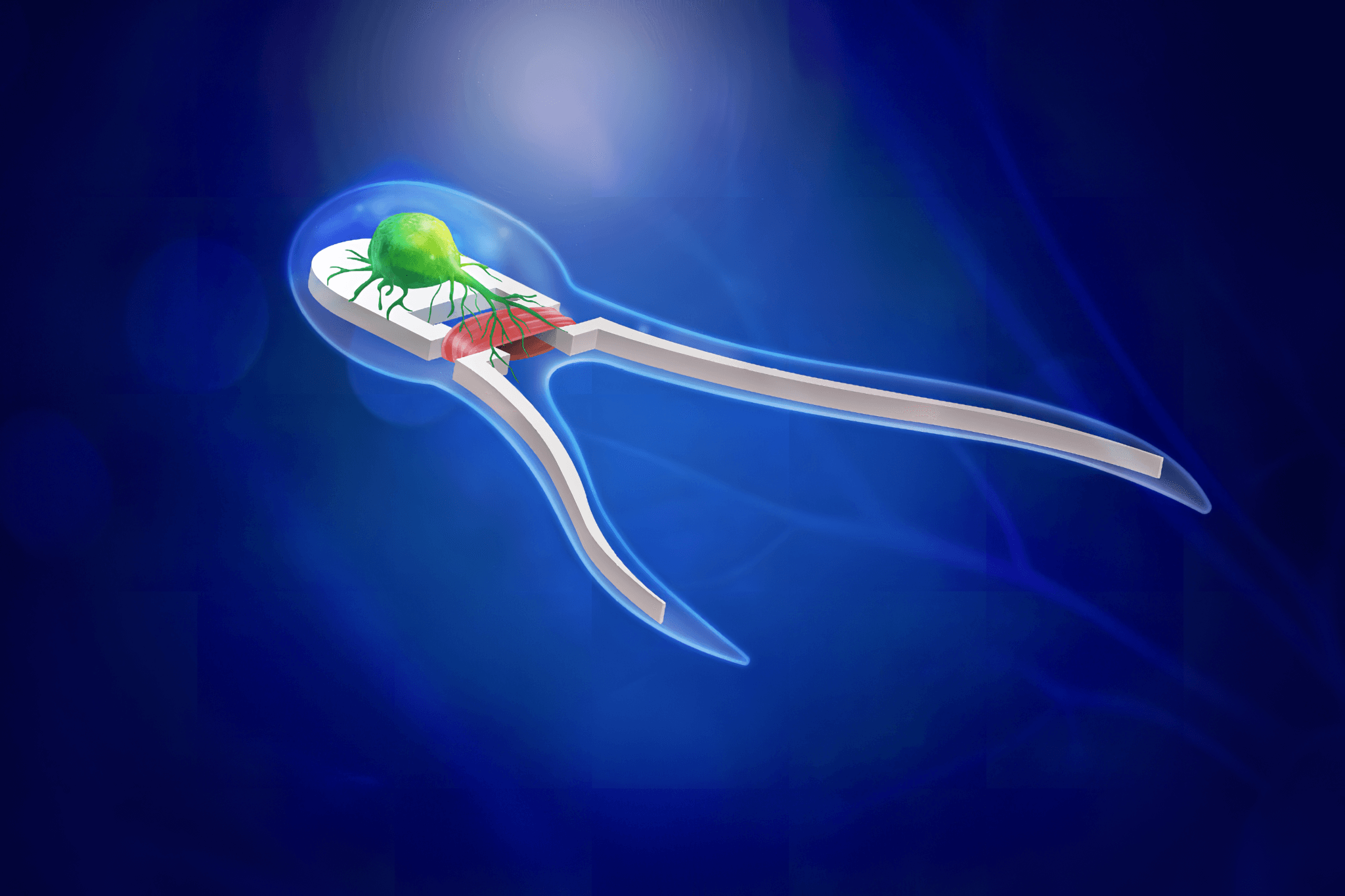
Bridging the Gap Between Biology and Engineering

Article

Biohybrid Robotics

Biohybrid robots are a fusion of artificial and living parts, combining engineered artificial structures and living bio-systems. This emerging field in robotics has the potential to provide actuation using biological components such as muscles, cells, and tissues. Research into biohybrid robots is essential for understanding how to create autonomous systems that can interact with their environment more naturally.

Recent Advancements

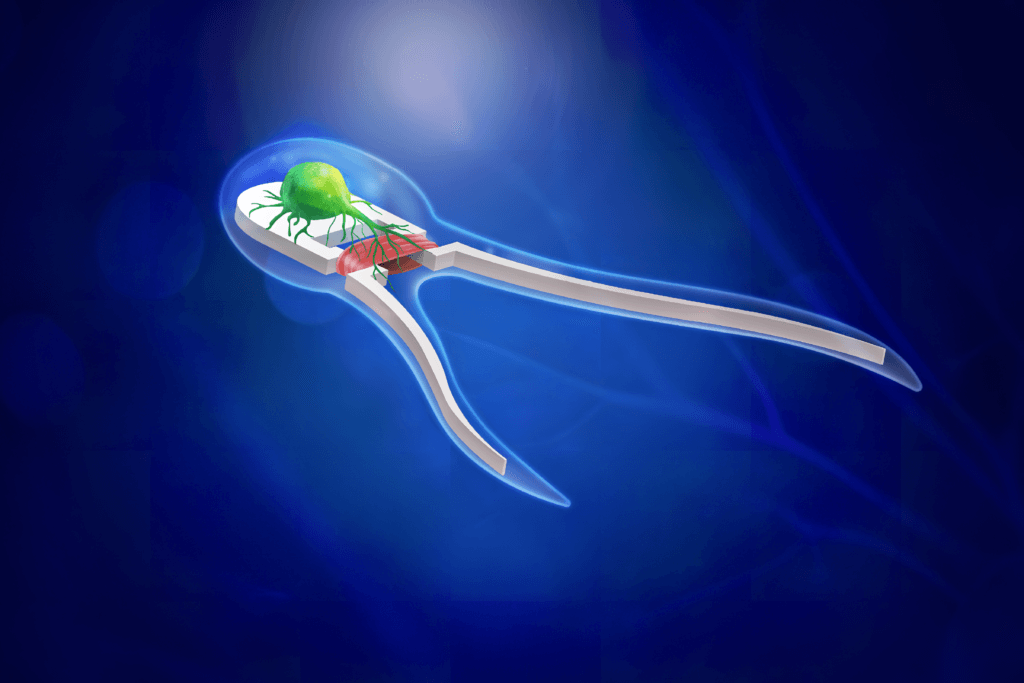
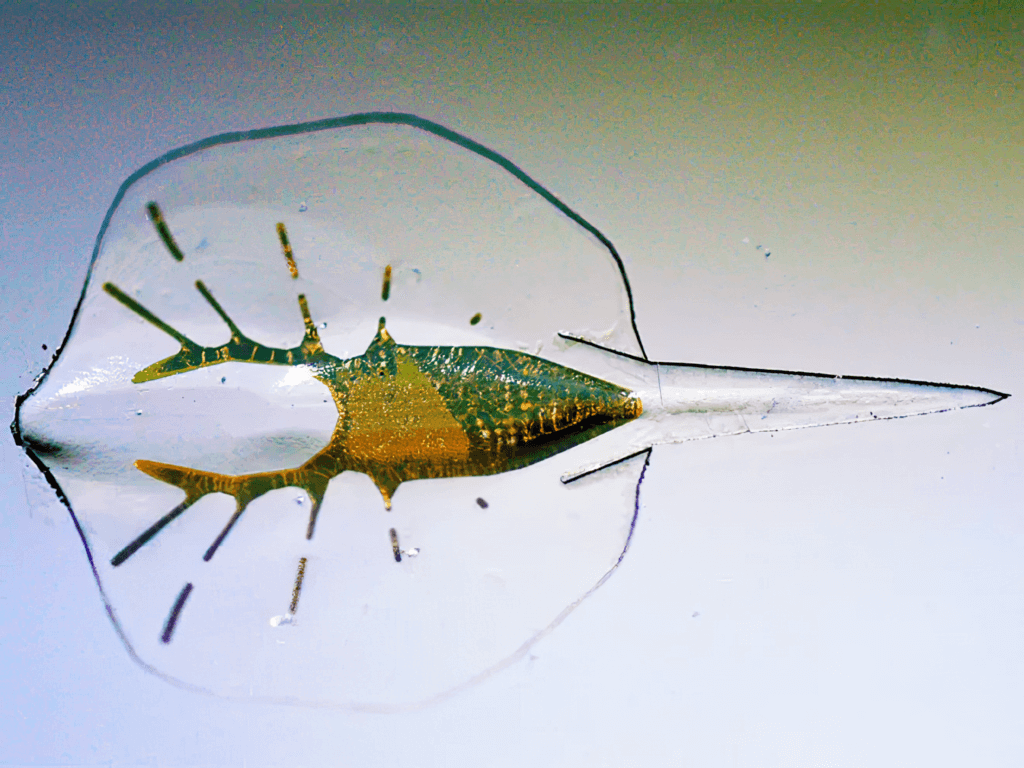
The development of biohybrid robots has recently seen progress in two main areas: artificial enhancement of animals or using an entire animal body as a scaffold to manipulate robotically; and combining living and synthetic components to create soft robotic devices driven by neuromuscular tissue. In addition, researchers have developed microscopic biohybrid robots propelled by muscles and nerves, as well as soft robotic devices powered by light-activated muscle cells.

Much progress has been made toward creating autonomous robots that can interact with their environment. For example, scientists have developed insect-sized robots capable of walking and navigating complex terrains. These robots are powered by biological and artificial materials, such as sesors, electrodes, and even tiny muscles made from rat tissue. Additionally, researchers have created robotic devices with soft body parts made from living cells that are responsive to their environment.

The Potential of Biohybrid Robotics

Biohybrid robotics offers the potential to create robots that can interact with their environment more naturally. This could lead to autonomous systems that are better at responding to environmental changes and more adaptable to new tasks. Additionally, biohybrid robots could be used in medical applications such as drug delivery or surgical robots with enhanced dexterity.

Challenges facing biohybrid robot development

Biohybrid robots are still in the early stages of development, and numerous challenges must be addressed before they can become widely used. These include:

  1. Integration: Overcoming technical hurdles, such as creating materials to seamlessly interact with biological systems while balancing each component’s requirements.
  2. Design: Develop sophisticated designs that are able to take into account the complexity of combining artificial and biological parts.
  3. Control: Creating systems that can be properly controlled and respond intelligently to feedback from their environment.
  4. Safety: Ensuring safety protocols are in place to protect both the public and the environment from potential risks posed by biohybrid robots.
  5. Ethics: Examining and addressing ethical issues that arise when combining living systems with machines, such as privacy and potential manipulation of organisms.
  6. Scalability: Creating cost-effective and scalable systems that can be adapted for different applications.
  7. Regulation: Establishing standards and regulations for the use of biohybrid robots.

Biohybrid robotics promises to revolutionize how robots interact with their environment, creating the potential for applications in various sectors. However, understanding the technology’s potential risks and benefits and establishing necessary precautions are crucial as technology evolves.

By continuing to develop biohybrid robotics, researchers can open many possibilities, including the potential to revolutionize interactions and applications with robots and how humans interact with their environment. However, ethical considerations must also be considered to ensure the technology is used responsibly. With further exploration of how to properly integrate biological components into robotic systems and understand the interaction between living cells and artificial components, biohybrid robotics is poised to become a powerful tool for humanity.